
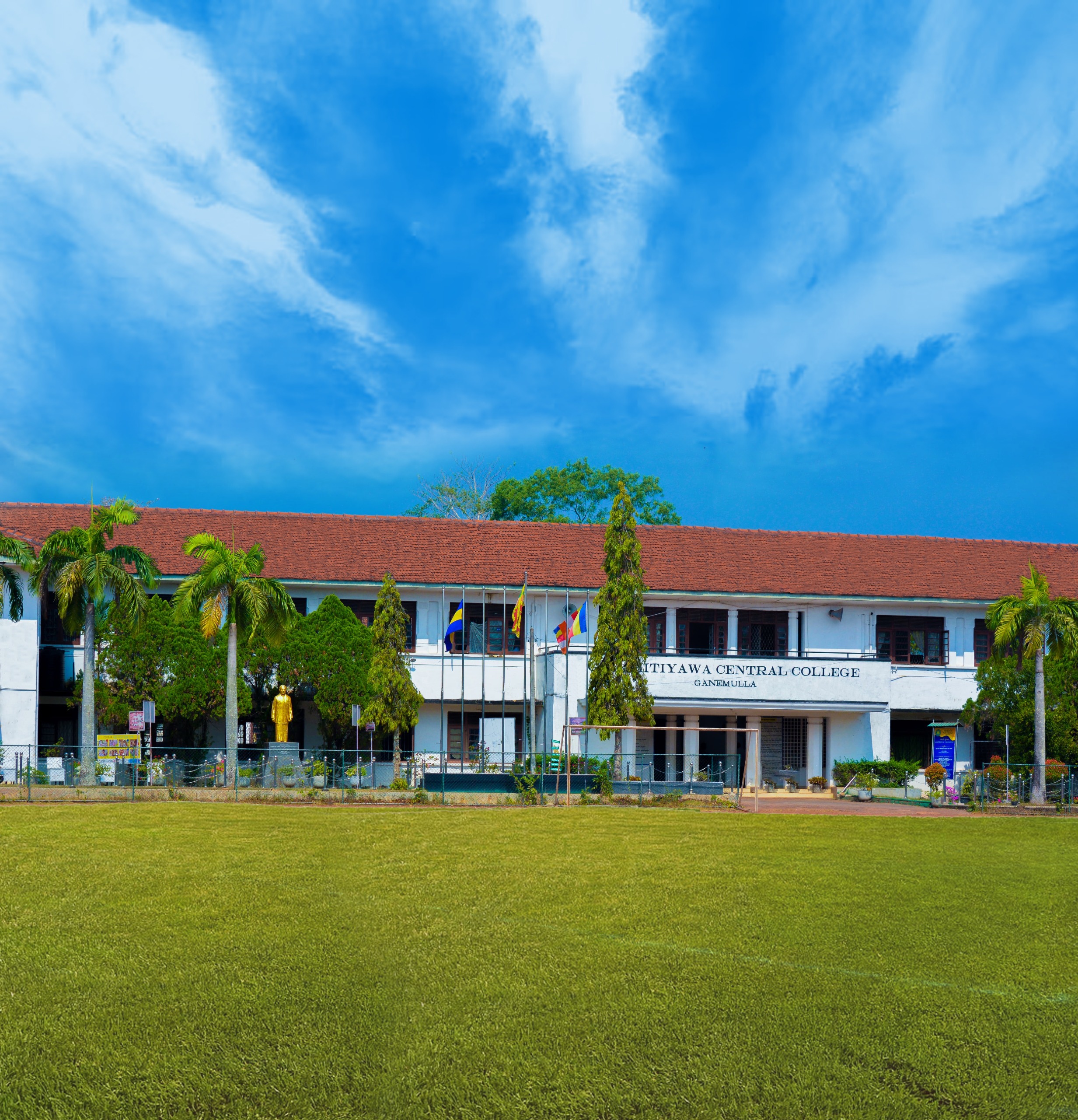


Galahitiyawa Central College (GCC), typically focuses on raising awareness about environmental issues, promoting sustainability, and engaging students in activities that foster ecological responsibility. Here are some common functions, activities, and initiatives that an Environment Society might undertake:
1. Awareness Campaigns
- Educational Workshops: Organizing workshops on topics like climate change, biodiversity, pollution, and sustainable practices to educate fellow students and the local community.
- Public Campaigns: Running campaigns during Earth Day, World Environment Day, or other significant global events to raise awareness about environmental issues.
2. Sustainability Initiatives
- Waste Reduction Programs: Promoting recycling and composting on campus, and organizing clean-up drives in local areas.
- Sustainable Practices: Advocating for sustainable practices, such as reducing plastic usage, promoting plant-based diets, and encouraging the use of public transport.
3. Community Engagement
- Tree Planting Events: Organizing tree planting days to enhance local green spaces and combat deforestation.
- Community Education: Partnering with local schools and organizations to provide education on environmental stewardship and sustainability.
4. Projects and Research
- Environmental Projects: Encouraging students to participate in or initiate projects related to conservation, ecology, or renewable energy sources.
- Research Opportunities: Supporting academic research on local environmental issues, possibly in collaboration with faculty members.
5. Field Trips and Excursions
- Nature Outings: Organizing trips to parks, nature reserves, or environmental organizations to gain firsthand experience with various ecosystems and conservation efforts.
- Workshops in Nature: Holding outdoor workshops or events focused on topics such as biodiversity, wildlife conservation, and ecological restoration.
6. Collaboration with Other Societies
- Interdisciplinary Events: Collaborating with other student organizations (e.g., IT Society, Science Club) to create interdisciplinary projects that address environmental challenges through innovative solutions.
7. Advocacy and Policy Engagement
- Sustainable Policy Promotion: Advocating for environmentally sound policies and practices within the college, such as energy-efficient buildings, sustainable transportation options, and conservation programs.
- Participation in Local Initiatives: Working with local government or NGOs on environmental policies, community clean-up days, or sustainability assessments.
8. Regular Meetings and Networking
- Weekly or Monthly Meetings: Regular gatherings to discuss ongoing initiatives, plan events, and generate new ideas for promoting environmental engagement on campus.
- Guest Speakers: Inviting professionals from environmental fields to speak and share their knowledge with students.
9. Competitions and Challenges
- Sustainability Challenges: Organizing competitions among members or the broader student body to promote sustainable behavior, such as reducing energy consumption or minimizing waste.
- Environmental Projects Competition: Encouraging teams to develop innovative solutions for local environmental issues and present their ideas to a panel of judges.
Conclusion
The Environment Society plays a vital role in fostering a culture of environmental awareness and responsibility among students. By engaging in various activities and initiatives, the society can significantly impact both the college community and the wider locality, promoting sustainable practices and a greater understanding of environmental issues.
For details specific to the Environment Society at Galahitiyawa Central College, including current projects and membership opportunities, it's best to contact the college directly or reach out to current members of the society.